From Lot To Keys: Planning A Custom Build In Ascaya
April 16, 2026
April 16, 2026
Building a custom home in Ascaya can feel exciting and overwhelming at the same time. You are not just choosing a house. You are choosing a homesite, a design path, a timeline, and a team that all need to work together from day one. If you are thinking about building in this hillside Henderson community, this guide will help you understand what to plan for before you go from lot to keys. Let’s dive in.
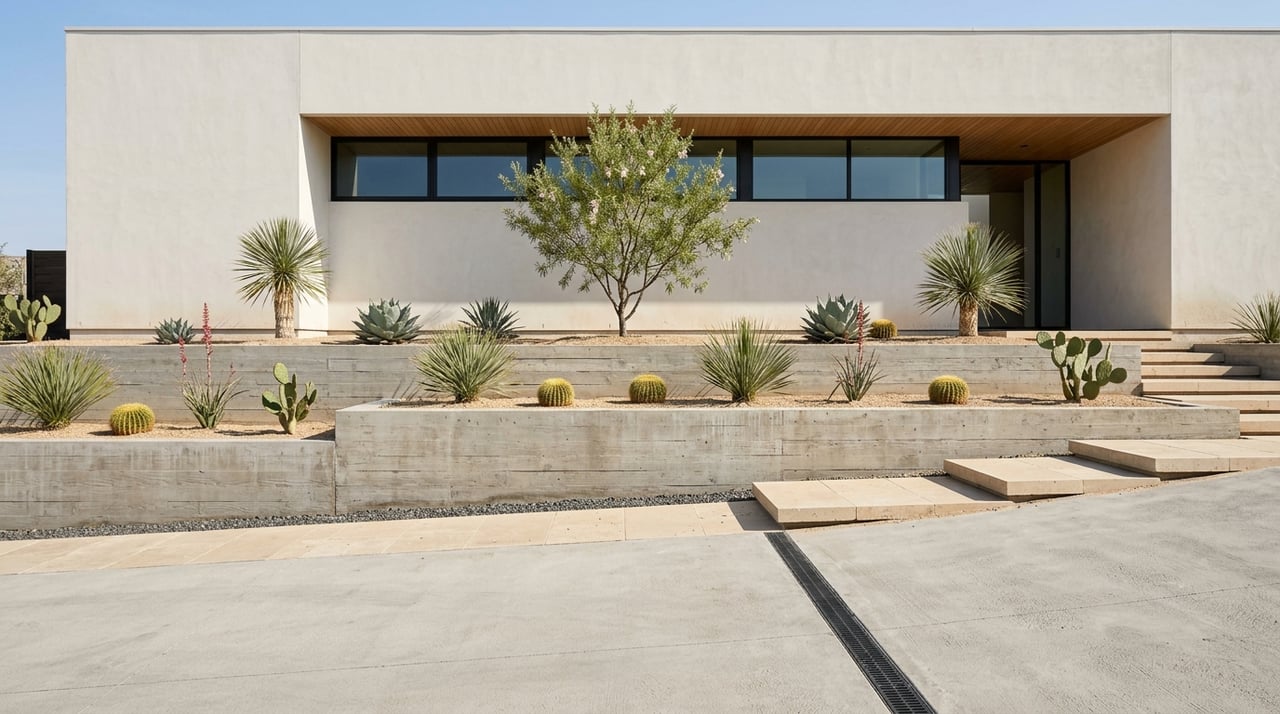
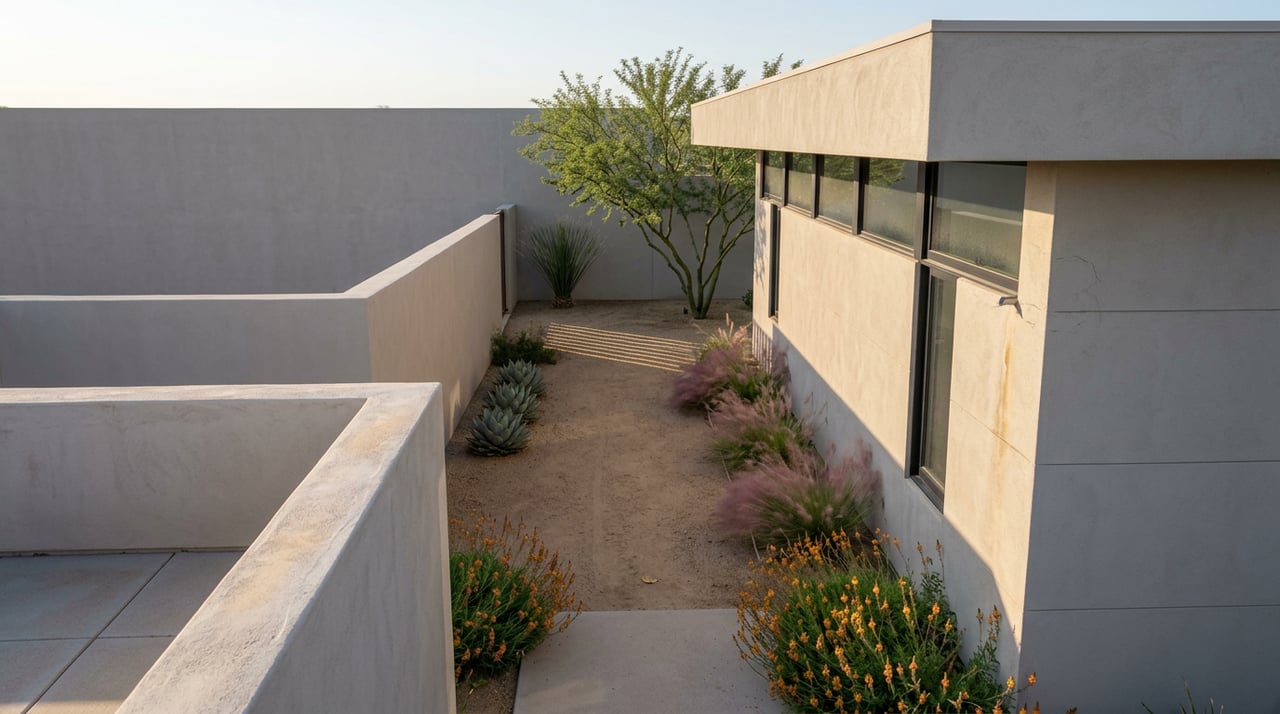
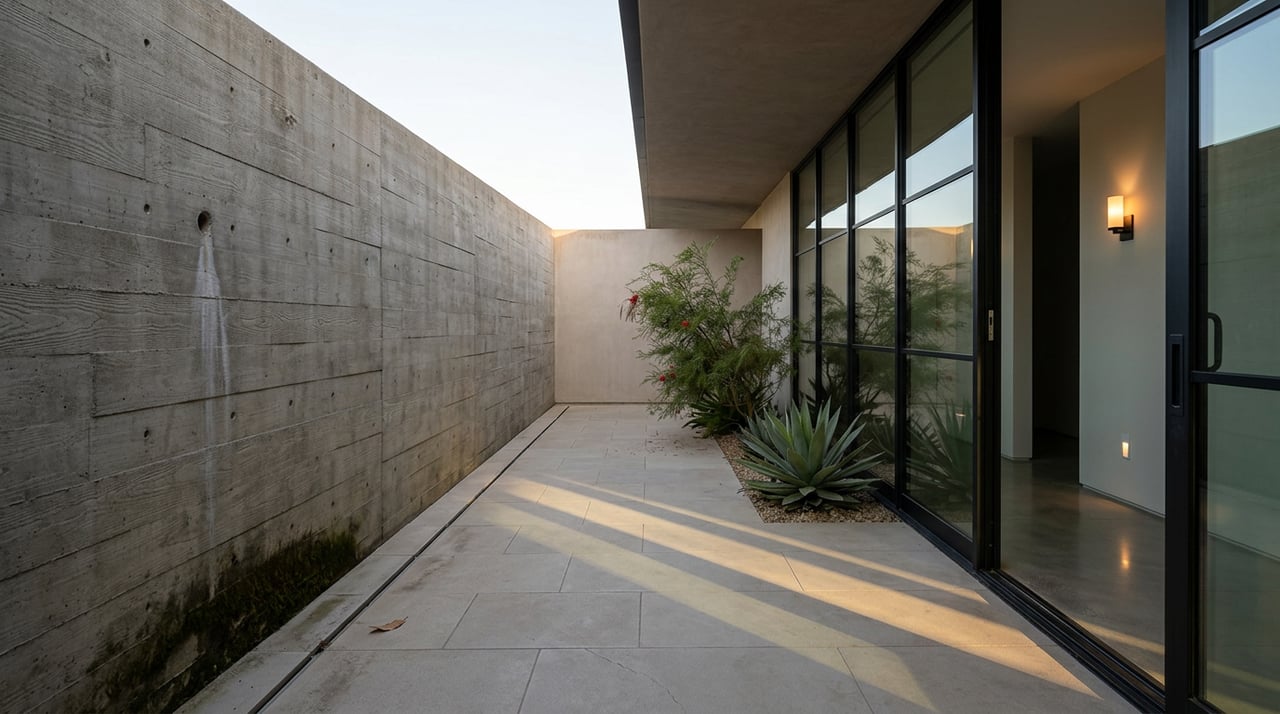
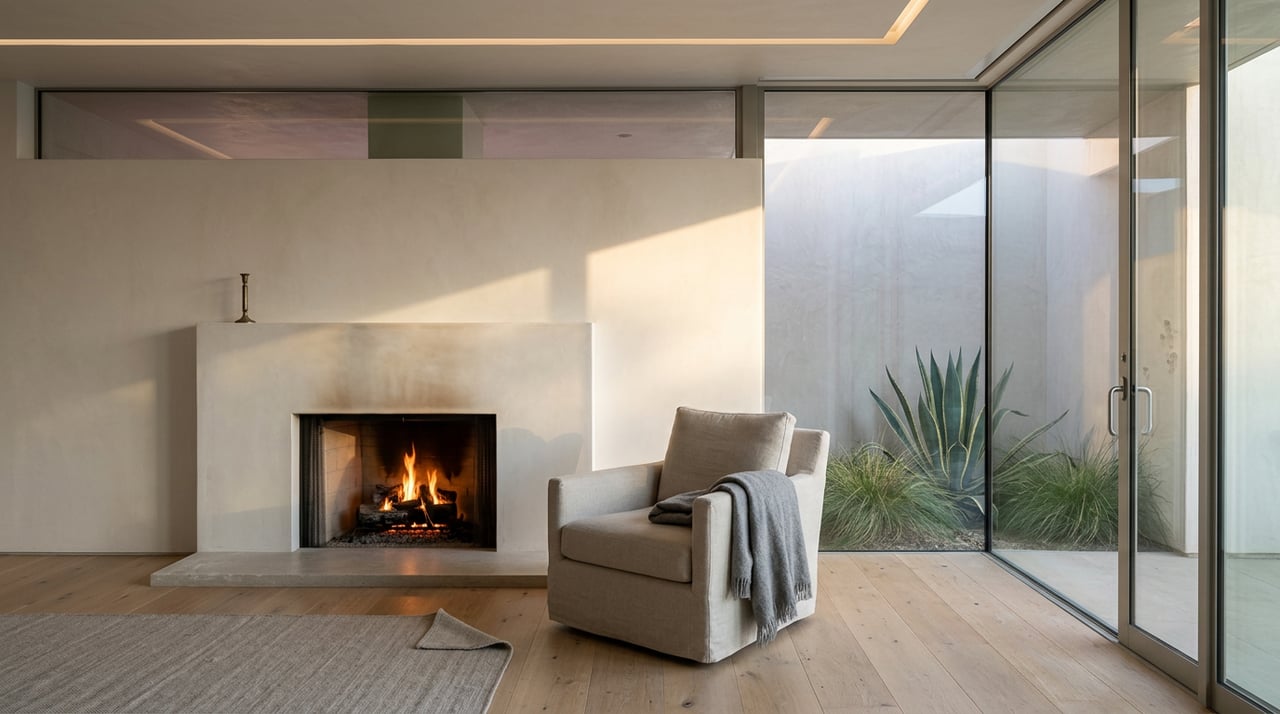
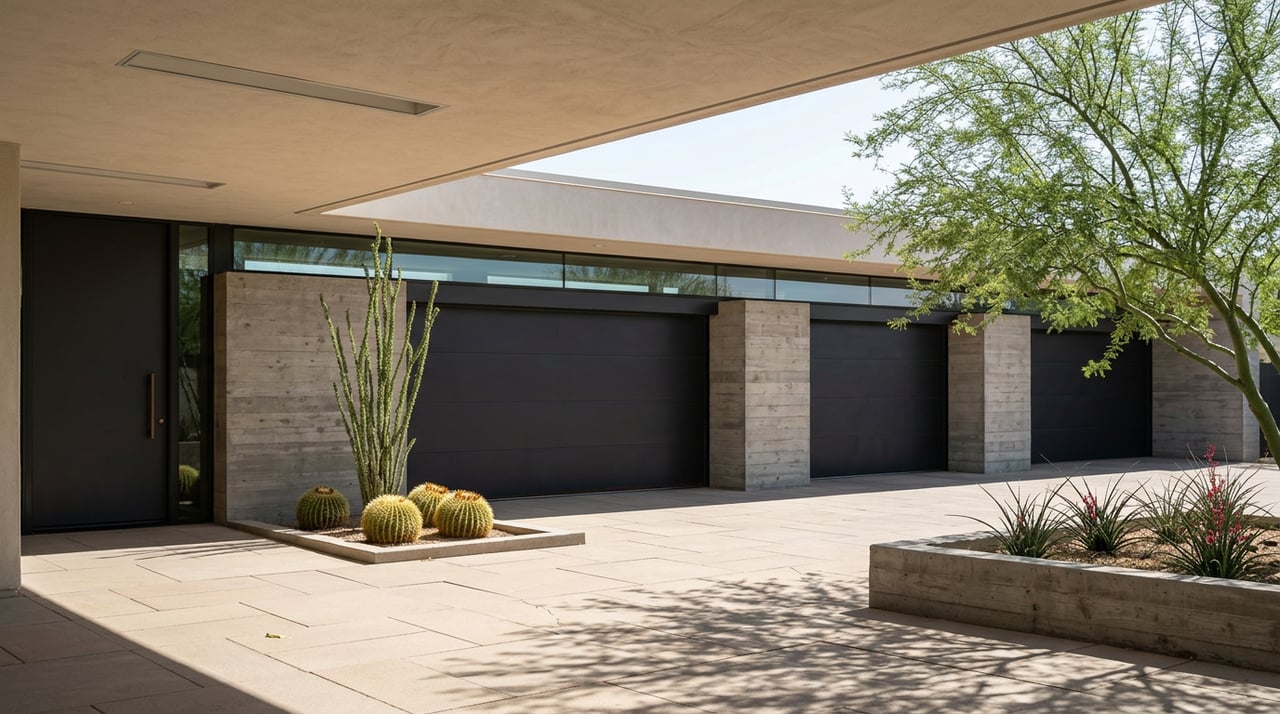
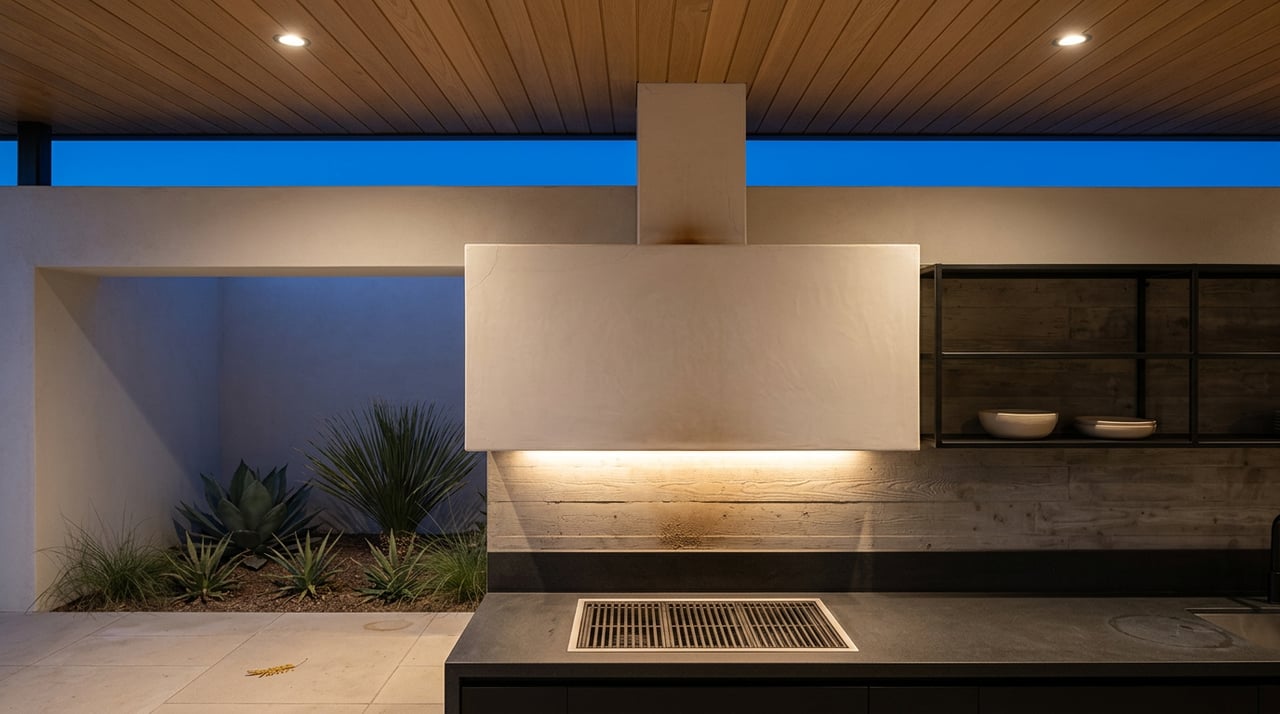
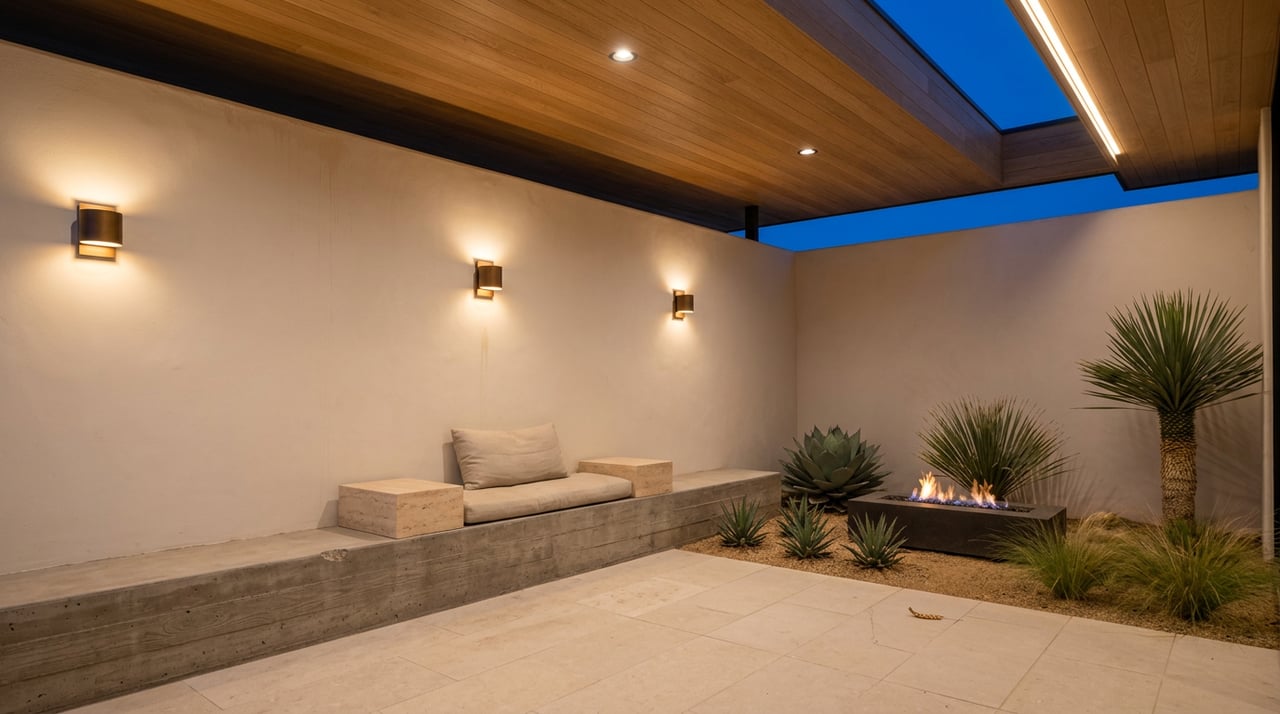
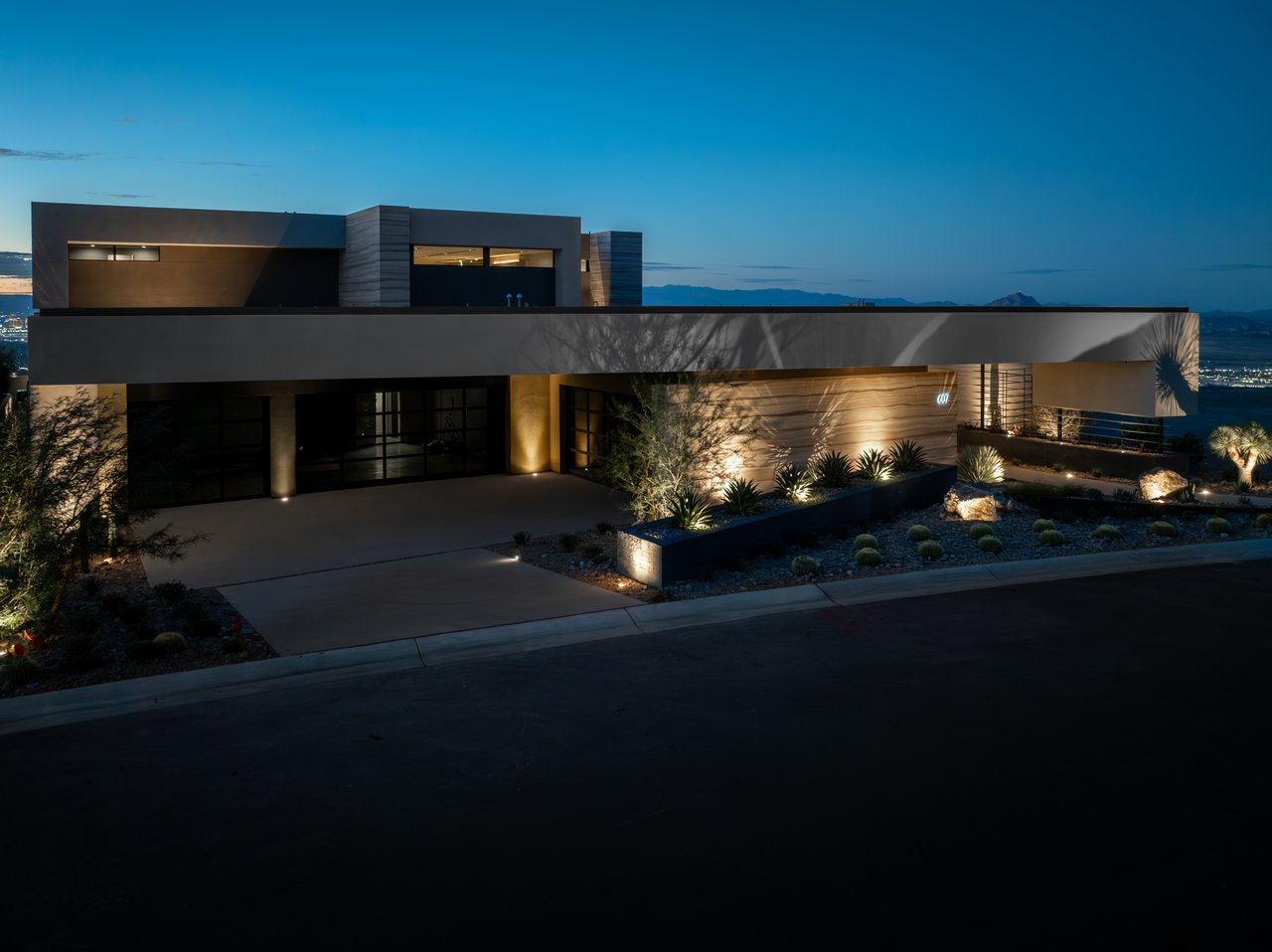
In Ascaya, the lot is not just where your home will sit. It plays a major role in what you can actually build. The community highlights architecture that responds to the land, with desert-contemporary design, earthy materials, indoor-outdoor living, and broad glass openings that frame mountain, canyon, and Las Vegas Strip views, according to Ascaya’s architecture overview.
That design-first approach matters because homesites can vary in size, elevation, building envelope, and maximum building height. For example, current Ascaya homesite offerings include a 1.28-acre lot with a 22-foot one-story maximum, a 1.66-acre lot with a 32-foot two-story maximum, and estate lots up to 5.17 acres, as shown in Ascaya’s homesite information. If you want a certain room count, a guest area, or a two-story layout, the lot may either support that vision or limit it.
Before you fall in love with a view, it helps to define what matters most in your future home. Do you want single-story living, a larger building envelope, or the option for a second level? Those questions are easier to answer before design begins than after plans are already in motion.
A well-planned search usually starts with a few core priorities:
In Ascaya, this is especially important because the community presents its standards more as design guidelines than rigid rules, which supports the idea that the lot and the architecture should complement each other rather than be chosen separately. That is one reason experienced local guidance can make the process feel much more manageable.
Not every buyer in Ascaya wants the same level of customization. Some want a fully bespoke home from a blank slate. Others want a shorter runway with more of the design work already completed.
According to Ascaya’s custom homes page, the community offers both traditional custom-home opportunities and quicker alternatives such as Desert Design Study Homes, which feature completed designs and expedited move-in timing. Ascaya also references accelerated design-build options that may allow move-in within a year.
Here is a simple way to think about the two main paths:
Build Path | Best For | What to Expect |
|---|---|---|
Fully custom home | Buyers who want maximum personalization | More design flexibility, more coordination, and typically a longer timeline |
Design-study or accelerated option | Buyers who want a faster move | Less time spent creating plans from scratch and potentially earlier occupancy |
If speed is your top priority, it may be worth comparing these options early. If your priority is a one-of-a-kind home tailored to your lifestyle and lot, a full custom route may still be the better fit.
Ascaya encourages buyers to work with an architect, builder, designer, and, when useful, a financier. The community’s Inspiration Room concept is designed to help buyers explore ideas, sketch plans, and consult with professionals familiar with the area and its design language.
That tells you something important about the process. A custom build is not a one-person decision. It is a coordinated effort where lot selection, home design, budget, and timing affect each other. When those conversations happen in the right order, you can avoid a lot of preventable frustration.
For many buyers, the ideal sequence looks like this:
One of the biggest surprises for custom-home buyers is how much has to be in place before the permit file is even accepted. The City of Henderson’s custom home checklist says prerequisites can include a recorded final map or parcel map, proper zoning, a permanent address, an approved drainage study or waiver, an HOA approval letter, and civil improvement plans that are approved or under review.
That means permitting is not just about the house plans. It is also about the site, drainage, grading, and civil coordination. In a hillside luxury community like Ascaya, that can be a major part of the planning stage.
The same Henderson checklist notes that the submittal package often includes:
Applications are filed electronically through DSC Online, and Henderson states that incomplete applications are not accepted. If plans are incomplete, they can be returned, which can affect your timeline.
Another detail buyers often miss is that some features may require their own permit applications. Henderson’s checklist states that detached guesthouses, casitas, detached garages, fences or walls, and pools generally need separate permits.
If your long-term vision includes more than the main residence, it is smart to account for that early. A lot that works well for your house still needs to support the broader site plan you have in mind.
In Ascaya, land and architecture are closely linked, so site work can influence both cost and schedule. Henderson flags a grading permit when cut-and-fill exceeds 100 cubic yards or when the lot is larger than 1 acre, according to the same custom home checklist.
This does not mean every lot will be difficult. It does mean that drainage, grading, and civil improvement planning should be treated as early-stage priorities instead of afterthoughts. If those items are unresolved, they can slow down approvals and construction start dates.
One of the most common questions buyers ask is simple: how long will this take? The honest answer depends on your homesite, your design path, and how smoothly the approval process goes.
A helpful national benchmark comes from Eye On Housing’s Census-based reporting, which found that single-family homes averaged 9.1 months from start to finish in 2024, while owner-built homes averaged 15.1 months. That is not specific to Ascaya, but it gives useful context for why a full custom project can take meaningfully longer than a faster, more standardized option.
Ascaya’s own process points to the same broad sequence: choose the homesite, finalize design, then move through permitting and construction. If you choose a completed-design or accelerated program, you may be able to shorten the path compared with a fully custom home.
In Henderson, incomplete applications are not accepted, and incomplete plans may be returned. Based on the city’s checklist and process requirements, some of the most likely schedule risks include:
For qualifying projects, Henderson’s expedited plan review program targets four full working days for initial and subsequent reviews, although larger or more complex projects may follow different timing. That can be a helpful option, but it does not replace the need for complete and coordinated documents.
Getting the keys does not happen the moment construction wraps up. The final gate is inspection and occupancy approval.
Under Henderson’s building ordinance provisions, once final inspection is approved, the Building Official issues a Certificate of Occupancy within three working days. In some cases, a Temporary Certificate of Occupancy may also be issued. In practical terms, move-in usually comes after final inspection, final sign-offs, and the Certificate of Occupancy.
If you want to keep the process organized, focus on the sequence below:
Custom building in Ascaya can be incredibly rewarding when the lot, design, and process are aligned from the start. If you want a clear, local perspective on Ascaya homesites, custom-home opportunities, and how to evaluate your options with confidence, Gianni Sammarco can help you navigate the process with the level of attention and market insight luxury buyers expect.
Gianni looks forward to providing you a unique boutique memorable real estate experience from start to finish. Contact Gianni today!
9525 W. Russell Rd. Ste C. 120 Las Vegas, NV 89148