Architectural Review Explained In Ascaya
December 11, 2025
December 11, 2025
Designing or remodeling in Ascaya can feel exciting and a little overwhelming. You want a stunning desert-modern home, but there are rules to follow and approvals to secure. In this guide, you’ll learn how architectural review works in Ascaya, what to submit, typical timelines, and smart ways to avoid delays and costly redesigns. Let’s dive in.
Architectural review is the HOA’s process for evaluating any exterior construction or modification for consistency with the CC&Rs and the community’s design standards. It ensures your plans protect views, fit the neighborhood character, and manage site impacts.
It is separate from city or county permits. HOA approval does not replace municipal building or grading permits, and a local permit does not replace HOA approval.
If you want the legal framework behind HOA authority and dispute resolution in Nevada, review the Nevada Revised Statutes, Chapter 116.
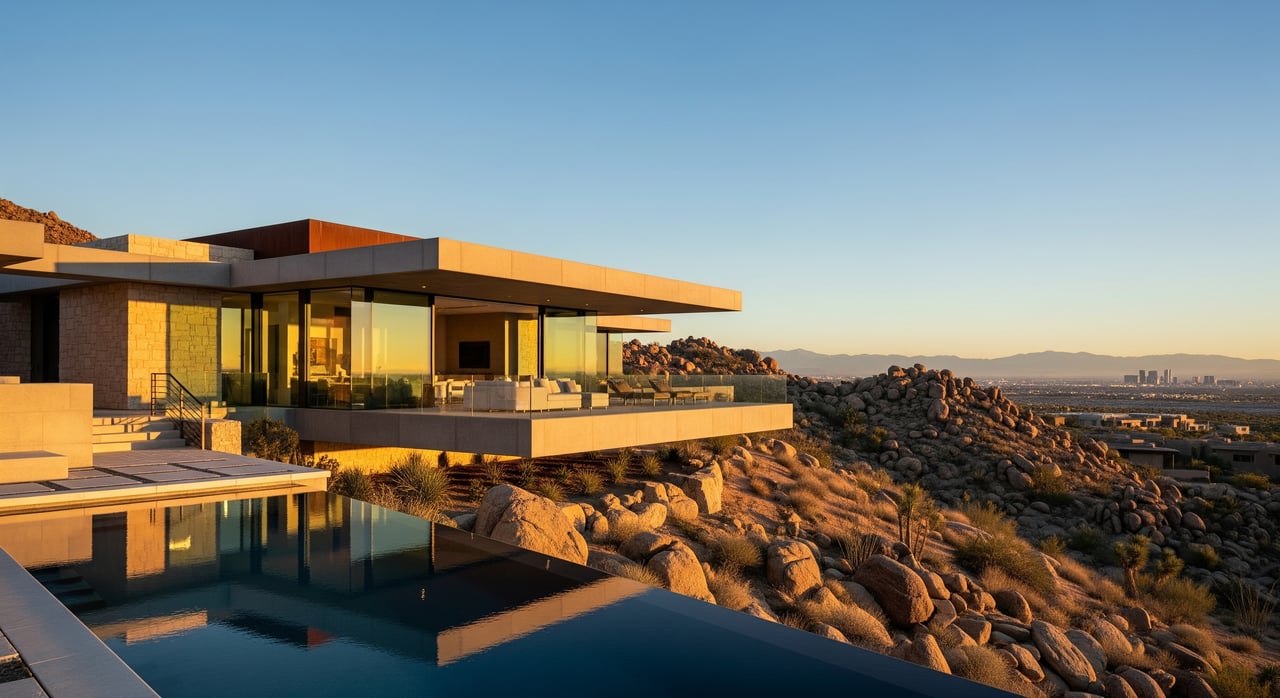
Ascaya is known for its hillside lots, curated contemporary aesthetic, and strong focus on site protection. Expect your submittal to address the items below.
Hillside parcels often include recorded building envelopes, setback limits, and protected features. Plans typically need geotechnical reports, engineered grading, erosion control, and drainage solutions that fit the slope.
Your design should show how massing and rooflines respect primary view corridors and neighbor privacy. Renderings or context elevations help the committee understand visual impacts.
Expect strict control of building height, articulation, and materials. A natural, desert-modern palette is common. Provide a materials board with high-resolution samples and finish schedules.
Southern Nevada enforces water-smart landscape standards. Use low-water plant palettes and high-efficiency irrigation. Refer to SNWA water-efficiency standards when assembling your plant list and irrigation notes.
Lighting plans usually require fixture cut sheets, mounting heights, shielding, and photometric data to limit glare and light spill. For background, see International Dark-Sky Association guidance.
Include pool details, setbacks, equipment locations, and any water-saving measures. Show how equipment is screened from view and sound where required.
Engineered retaining walls typically need details, calculations, materials, and finish specifications. Visibility and height are often controlled.
Plan for contractor parking, haul routes, dust control, temporary fencing, hours of work, and debris management inside the gated environment. This is commonly enforced during construction.
You will likely need both HOA approval and municipal permits. Confirm whether your lot falls under City of Henderson or Clark County jurisdiction. HOA design approval is typically required before you apply for municipal permits. City or county plan review can include building, grading, civil, and inspections. Water and landscape efficiency requirements also apply through local utility rules and SNWA programs.
For governance best practices in HOA design review, you can explore Community Associations Institute resources.
Use this as a starting point. Always confirm current Ascaya requirements and forms with the HOA.
Every project is different, but you can use these typical windows as a guide.
Incomplete submittals, missing soils or engineering, conflicts with CC&Rs, or holidays can extend the timeline. Budget 30 to 90 days for HOA design approval on major projects, with municipal permitting on a separate clock.
Expect HOA application fees, refundable or nonrefundable deposits, and inspection fees if applicable. Municipal permit and plan check fees are separate. Amounts vary by project scope. Confirm Ascaya’s current fee schedule with the HOA or management team.
A short early meeting can flag building envelope limits, ridgeline issues, geotechnical needs, and water or lighting requirements. Early feedback saves time and redesign costs.
Select an architect, civil engineer, geotechnical engineer, landscape architect, and contractor who know hillside construction in Southern Nevada and have worked in design-reviewed communities.
Provide realistic renderings, context views, and accurate materials. Clear visuals make it easier to evaluate view impacts, privacy, and massing.
Use drought-tolerant landscaping, efficient irrigation, and shielded, downward lighting. A complete photometric plan reduces back-and-forth.
When required or prudent, notify adjacent owners about your plans. Early communication can reduce objections during review.
Approval may include conditions. Keep a checklist, confirm changes with your design team, and maintain records for final sign-off.
If you start work without approval or violate conditions, the association can issue fines, stop-work letters, or require removal of non-compliant work. Most governing documents outline an appeal path, variance options, or board review. Nevada law provides additional dispute-resolution mechanisms under NRS Chapter 116. Always secure written approvals before mobilizing on site.
If you are planning a purchase, build, or remodel in Ascaya and want local guidance on timing, resale impact, or neighborhood fit, connect with Gianni Sammarco. Request a private market consultation and valuation, and move forward with confidence.
Gianni looks forward to providing you a unique boutique memorable real estate experience from start to finish. Contact Gianni today!
9525 W. Russell Rd. Ste C. 120 Las Vegas, NV 89148